
Are you looking for a single filtration solution to improve the taste, smell, and safety of every tap in your house?

Buy Clearsource Whole Home Water Filtration System On Amazon
First impressions
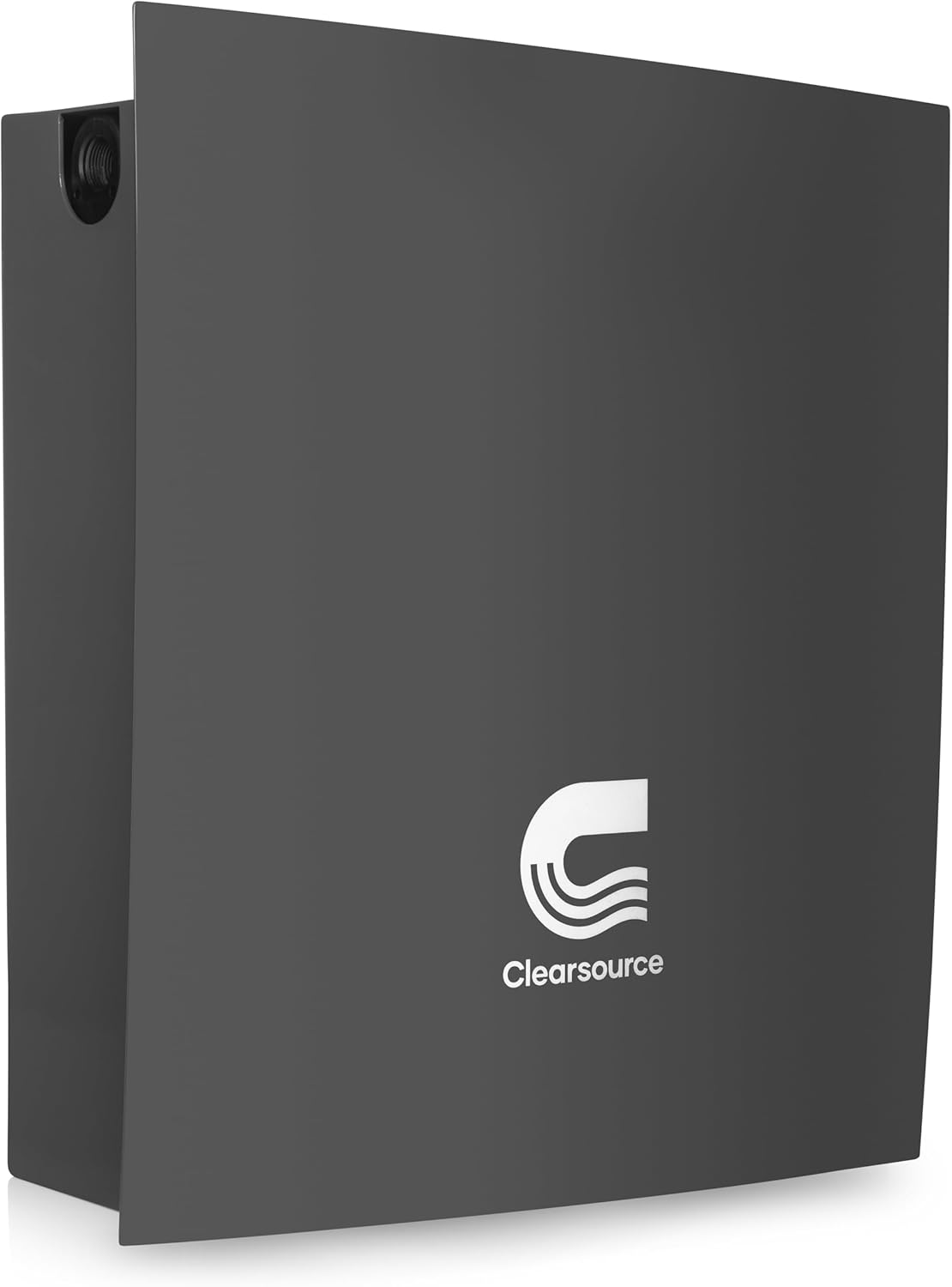
You’ll notice the Clearsource Whole Home Water Filtration System presents itself as a compact, all-in-one solution designed for whole-house protection. It’s built to be less obtrusive than traditional exposed filter assemblies, with a powder-coated aluminum chassis that keeps components enclosed and tidy.
You’ll get a sense right away that Clearsource focused on combining multiple filtration stages into one unit, and that they emphasize protection beyond what many common whole-house filters advertise.
What the system claims
The Clearsource Whole Home Water Filtration System claims to provide industry-leading protection against a wide range of contaminants and to improve taste and odor throughout your house. A major selling point is the manufacturer’s clearsource-exclusive VirusGuard technology, which they say uses an electrically charged coating developed in part with NASA-derived science to trap viruses, bacteria, cysts, and a range of man-made chemicals.
You should treat these claims as manufacturer claims unless you see independent third-party testing or certification. Still, the combination of a sediment filter, a fine carbon block, and a VirusGuard stage positions the product as a multi-barrier approach—something many homeowners prefer for whole-house coverage.
Design and build quality
Clearsource designed this unit to be sleek and compact, with all premium components enclosed within a protective aluminum chassis. That keeps visible plumbing clutter to a minimum and makes it easier to place the unit in utility closets, basements, or garages without an eyesore.
The chassis and finish feel more durable than cheap plastic housings you’ll see on some competitors. You’ll appreciate the compact footprint if space near your main water shutoff is limited. Controls and access points are intended to be user-friendly, but plan for some bending or kneeling during installation if your space is tight.
Components and materials
Inside the chassis you’ll find a three-stage filtration stack: a 5-micron sediment filter, a 0.5-micron coconut shell carbon block filter, and the VirusGuard stage with an electrically charged coating. The external housing is powder-coated aluminum, which resists corrosion and gives the unit a cleaner, more professional look than most exposed filter systems.
You’ll want to confirm the specifics of mounting hardware, inlet/outlet fittings, and pressure ratings at time of purchase. The manufacturer’s approach favors an integrated design rather than exposed, modular housings.
Dimensions and placement
Because the design prioritizes compactness, you’ll have more placement options than with bulky multi-housing systems. still, measure your installation area and the run of your incoming main before buying. Ensure you have enough clearance to remove and replace filter cartridges and to access inlet/outlet connections.
If your water main is in a tight crawlspace, you may need to reposition pipes or choose an accessible location near the main shutoff. Clearance for replacing filters is the practical detail you’ll want to prioritize.
Purchase Clearsource Whole Home Water Filter — Amazon
Filtration technology
The system uses three sequential filtration stages to address different classes of contaminants. The layering is intentional: larger particles get trapped first, protecting later-stage media so the whole system lasts longer and performs better.
The three stages are designed to handle sediment, taste/odor and chemical contaminants, and then a final stage aimed at trapping viruses and very fine particles using the VirusGuard electrically charged coating.
How each stage works
You’ll benefit from a straightforward physical and adsorptive progression:
- Stage 1 (sediment): mechanically removes rust and particulate matter at a relatively coarse micron rating. That reduces cloudiness and protects downstream filters.
- Stage 2 (carbon block): adsorbs chlorine, volatile organic compounds (VOCs), many taste and odor compounds, and certain man-made chemicals. A coconut shell carbon block at 0.5 microns also provides a physical barrier to fairly small particulates.
- Stage 3 (VirusGuard): uses an electrically charged coating to attract and trap contaminants that traditional passive filters struggle with—manufacturer materials highlight man-made chemicals, trace pharmaceuticals, lead, VOCs, and even viruses.
As you evaluate the claims, remember that electrically charged coatings can increase capture efficiency for charged particles and some organics, but independent laboratory data and recognized certifications (like NSF/ANSI standards) are the best ways to validate real-world performance.
Filtration stage breakdown (table)
Here’s a clear breakdown to help you compare the stages at a glance.
| Stage | Filter Type | Micron Rating | Primary Function | What it removes/reduces (manufacturer claims) |
|---|---|---|---|---|
| Stage 1 | Sediment filter | 5 µm | Remove rust, sand, large particulate | Rust, sediment, particulates |
| Stage 2 | Coconut shell carbon block | 0.5 µm | Improve taste and odor; adsorb chlorine & organics | Chlorine, VOCs, bad tastes and smells, some chemicals |
| Stage 3 | VirusGuard (electrically charged coating) | N/A (charged media) | Trap very fine contaminants and charged particles | Viruses, bacteria, cysts, trace pharmaceuticals, lead, VOCs (per manufacturer) |
This table summarizes the intended roles of each stage. When you compare systems, look for clear micron ratings and test data that align with these functions.
Performance and water quality
You can expect meaningful improvements in taste and smell, especially if chlorine or VOCs are the sources of unpleasant flavors. The carbon block is particularly effective at removing chlorine and many organics responsible for taste and odor issues.
The VirusGuard stage is the differentiator. According to Clearsource, its electrically charged coating helps trap contaminants that standard carbon or sediment filters miss. If you’re particularly concerned about microscopic pathogens or trace pharmaceutical compounds, that final stage is a standout feature—though you should corroborate claims through third-party testing or certifications if you need verified protection levels.
Taste and smell improvements
When you rely on municipal water treated with chlorine, you’ll likely notice a clearer, fresher taste within days after installation. The 0.5-micron carbon block targets chlorine and common organic compounds, which often translates into better coffee, tea, and drinking water straight from your tap.
If your current water has a strong metallic or sulfur smell, this system will likely reduce those odors, but sources like hydrogen sulfide or certain well-related contaminants may need targeted treatment beyond a carbon block.
Protection against biological contaminants and chemicals
Manufacturer materials claim VirusGuard reduces or removes bacteria, cysts, and viruses—an uncommon claim in the whole-home filtration space. The electrostatic trapping mechanism can improve capture rates for charged particles and some small organics. That said, if you face serious contamination events (boil-water notices, confirmed pathogens in your supply), you should follow local public health guidance and consider point-of-use disinfecting solutions or professional testing.
For chemical contaminants—lead, pharmaceuticals, VOCs—the combination of carbon adsorption and the VirusGuard stage increases your odds of reduction, but results vary widely by contaminant concentration and water chemistry. If you have specific contaminants of concern, arrange independent water testing to check baseline levels and post-installation performance.

Installation and setup
You’ll have two main options: install the system yourself if you’re comfortable with basic plumbing, or hire a plumber. The unit is designed with household installations in mind, but whole-home systems connect directly to your incoming main, so mistakes can be costly.
Plan to shut off the main water supply, drain the lines, secure mounting hardware, and then connect the inlet and outlet. If your water line is copper, PEX, or PVC, you’ll need compatible fittings and any required adapters. If the system includes a bypass valve or pressure relief, follow the manufacturer’s instructions for safe operation.
Step-by-step installation (general guidance)
- Confirm local plumbing codes and whether a permit or professional installation is required for whole-home devices in your area.
- Shut off the main water supply and open a faucet to relieve pressure.
- Choose a mounting location near the main shutoff with enough clearance to change filters.
- Mount the unit securely to studs or a solid surface (follow included hardware recommendations).
- Cut the existing main supply pipe and install the unit using the correct fittings and thread sealant or solder where necessary.
- Open valves slowly and check for leaks. Inspect all connections while the system is pressurized.
- Flush the system for a few minutes—carbon filters often need flushing to remove fines and to condition the media.
- Test water at several fixtures to ensure flow and quality meet expectations.
If any step feels beyond your comfort level—especially when cutting and reconnecting the main—you should schedule a licensed plumber. You’ll reduce the risk of leaks and ensure compliance with local codes.
Time, tools, and difficulty
If you’re experienced with household plumbing, you can expect installation to take 1–3 hours depending on piping complexity and whether you need adapters. Typical tools include pipe cutters, wrenches, thread sealant, and possibly soldering equipment or crimp tools depending on pipe type. If you’re not experienced, plan for a plumber; professional installation adds cost but provides peace of mind.
Maintenance and replacement filters
Maintenance is straightforward: you replace filters on a schedule based on your water usage and water quality. Heavily sedimented water requires more frequent sediment filter changes. The carbon block and VirusGuard stages will last longer than your sediment stage, but they still require scheduled replacement.
Replacement filters are available through Amazon as a Clearsource genuine filter three-pack (search ASIN: B0DG1GHHD5). Keeping spare cartridges on hand is a good practice so you don’t miss a scheduled change and so your system continues to perform.
Recommended replacement intervals
Filter life depends greatly on your water quality and usage. These are reasonable starting points you can adjust:
- Sediment (5 µm): replace every 3–6 months if your water has visible particulates or heavy sediment; longer if your water is very clean.
- Carbon block (0.5 µm): replace every 6–12 months depending on chlorine levels and organics load.
- VirusGuard stage: replace every 6–12 months or per manufacturer guidance.
Always monitor system pressure and flow: a noticeable pressure drop often indicates a clogged filter and the need for replacement.
Cost considerations
Filter replacement is a recurring cost. Search the listed ASIN (B0DG1GHHD5) for current prices and bundle savings. You’ll also want to factor in the occasional service check—especially if you hire a pro—to confirm seals, fittings, and pressure relief systems are functioning correctly.
Comparison with other whole-home solutions
If you’ve looked at whole-house filtration before, you’ll know options vary from simple sediment + carbon housings to complex multi-stage systems with UV sterilization or salt-based water softeners. Here’s how Clearsource stacks up in key areas:
- Against basic sediment + carbon housings: Clearsource adds the VirusGuard final stage, which the company says targets microbial and trace contaminants beyond standard adsorption and physical filtration.
- Versus UV sterilization: UV is proven for inactivating bacteria and viruses but does not remove particles or chemicals. Clearsource claims virus capture via charged media, which is different from UV’s inactivation approach. UV requires electricity and periodic lamp replacement, whereas the Clearsource approach is passive.
- Versus point-of-use reverse osmosis (RO): RO systems provide extremely high contaminant reduction at a single faucet, but they’re not practical for whole-house use due to cost and water waste. Clearsource offers whole-home coverage, so you’ll get treated water at every tap, which is convenient for showers, laundry, and all household uses.
Your choice depends on which contaminants are your priority and whether you need whole-house treatment or concentrated point-of-use purification.
Pros and cons
You’ll want to weigh the strong points against limitations to decide if this system suits your home.
Pros:
- Multi-stage filtration addresses a wide spectrum of contaminants.
- VirusGuard stage is a rare feature in whole-home systems and targets some contaminants standard systems do not.
- Sleek, enclosed aluminum chassis reduces visual clutter and can fit in tighter spaces.
- Replacement filters are available through Amazon with a dedicated ASIN for convenience.
- Combines sediment removal, carbon adsorption, and charged-media capture in one unit.
Cons:
- Manufacturer claims about virus removal are compelling but should be verified with independent testing or certifications if you require guaranteed pathogen reduction.
- No specific NSF/ANSI certification claims are included in the provided details—confirm certifications before relying on the unit for public health-critical protection.
- Replacement filter costs are ongoing and should be factored into total cost of ownership.
- Whole-house systems do not replace point-of-use RO for ultra-pure drinking water where that is required.
Who this system is best for
You should consider this system if:
- You want filtered water at every tap (showers, washing machines, faucets), not just the kitchen sink.
- Your water has chlorine taste and odor issues, or visible particulates.
- You are concerned about a broader set of contaminants than typical sediment/carbon-only systems address—especially trace pharmaceuticals and VOCs.
- You like the idea of an enclosed, neat unit that doesn’t dominate a utility space.
You might choose a different solution if:
- You need certified, guaranteed viral and bacterial inactivation for professional or clinical settings—then UV or other certified solutions might be more appropriate.
- You want near-RO water for drinking and cooking at every faucet—this system improves water but doesn’t function like RO.
- You need low upfront cost and don’t want ongoing maintenance—then very basic filters or point-of-use pitchers might be cheaper short-term.
Limitations and considerations before buying
There are a few practical considerations you should evaluate before committing:
- Certifications: If you need verified claims, ask Clearsource for third-party test data or NSF/ANSI certification details. Manufacturer statements are useful, but independent testing confirms performance.
- Flow rate and pressure drop: Confirm the system supports your home’s peak water demand without noticeable pressure loss. Large households with multiple showers running simultaneously should verify flow specs.
- Specific contaminants: Get a water test to identify what’s actually in your water. A targeted solution is more efficient and cost-effective than an all-purpose system when you have singular issues like high iron or high hardness.
- Professional needs: If you live in an area with frequent boil-water advisories or you have immuno-compromised household members, consult a water treatment professional for a solution tailored to biological threats.
- Replacement filter access: While Amazon availability is convenient, check shipping options and local suppliers so you’re never without replacements.
Real-world scenarios where this system adds value
You’ll find real benefits in several common household situations:
- Chlorinated municipal water: If your water has a persistent chlorine taste and smell, the coconut shell carbon block will dramatically improve drinkability and smells in showers and laundry.
- Aging infrastructure: If your home has older pipes or service lines with rust and sediment, the 5-micron sediment stage will reduce particulates that can stain fixtures or reduce appliance lifespan.
- Concern about trace contaminants: If you’re worried about trace pharmaceuticals, VOCs, or other man-made chemicals, the multi-stage approach including charged media gives you more protection than a basic sediment/carbon setup.
- Whole-house convenience: If you prefer filtered water at every tap for bathing, pet water bowls, or cooking without installing multiple point-of-use systems, the whole-home coverage is a strong convenience factor.
Frequently asked questions
Q: Will the Clearsource system make my water as pure as reverse osmosis?
A: No. While this system significantly reduces many contaminants and improves taste and odor across your home, reverse osmosis systems reduce a broader scope of dissolved solids and yield near-pure water at a single faucet. Whole-home RO is uncommon due to cost and water waste.
Q: Does the system remove lead and pharmaceuticals?
A: The manufacturer claims that VirusGuard and the carbon block reduce lead and trace pharmaceuticals. Results depend on initial concentrations, water chemistry, and contact time. Independent testing or pre/post-installation sampling will confirm actual reduction for your water.
Q: Is professional installation required?
A: Not necessarily, but recommended if you aren’t comfortable cutting and reconnecting your main water line or if local codes require licensed installation. A professional can also size and place the system optimally.
Q: How often do filters need to be changed?
A: Typical guidelines are 3–6 months for sediment, 6–12 months for carbon block, and 6–12 months for VirusGuard, but your water quality and usage will determine the real schedule.
Q: Are replacement filters easy to buy?
A: Yes—genuine replacement filters are available on Amazon (search ASIN: B0DG1GHHD5). Keep spares on hand so you don’t miss changes.
Q: Does it require electricity?
A: No. The system uses passive filtration media, including the electrically charged coating on VirusGuard, which does not require a power source like UV systems do.
Installation checklist you can use
You’ll find this checklist handy when preparing for the install:
- Measure available space and clearance for filter changes.
- Confirm pipe size and plumbing type (copper, PEX, PVC).
- Turn off and drain the main water supply.
- Gather necessary tools: pipe cutter, wrenches, fittings, thread sealant, mounting hardware.
- Have a bucket and towels ready for any drips.
- Plan for a flush after installation to remove any carbon fines.
- Schedule a water sample test before and after installation if you want to validate performance.
Troubleshooting tips
If you run into common issues, try these friendly fixes:
- Low flow after installation: Check for a closed valve, kinked lines, or an improperly seated cartridge. If filters are clogged, replace the sediment cartridge first.
- Taste/odor persists: Flush the system for a longer period, and ensure the carbon cartridge was fully conditioned. If persistent, consider professional water testing to identify a stubborn contaminant.
- Leaks: Tighten fittings, inspect O-rings, and re-seat cartridges. If you soldered connections, verify joints are fully cooled and sealed. Replace any damaged seals.
Final verdict
If you want whole-house filtration that goes beyond basic sediment and carbon systems, the Clearsource Whole Home Water Filtration System is a strong contender. You’ll appreciate the three-stage approach, the neat enclosed design, and the manufacturer’s emphasis on tackling a broad range of contaminants—including the unique VirusGuard stage.
Before you buy, confirm the system’s specifications for flow rate, pressure rating, and any third-party test data or certifications you want. Get your water tested to identify specific issues and consult a professional if installation or pathogen protection is a priority for your household. With proper installation and regular filter changes, this system can noticeably improve the taste and smell of your water and add meaningful protection for your family across every tap in the house.
If you want a convenient next step, look up the official replacement filter three-pack on Amazon (ASIN: B0DG1GHHD5) to estimate ongoing costs and plan maintenance so your system keeps performing at its best.
Get The Clearsource Whole Home Water Filtration System
Disclosure: As an Amazon Associate, I earn from qualifying purchases.