
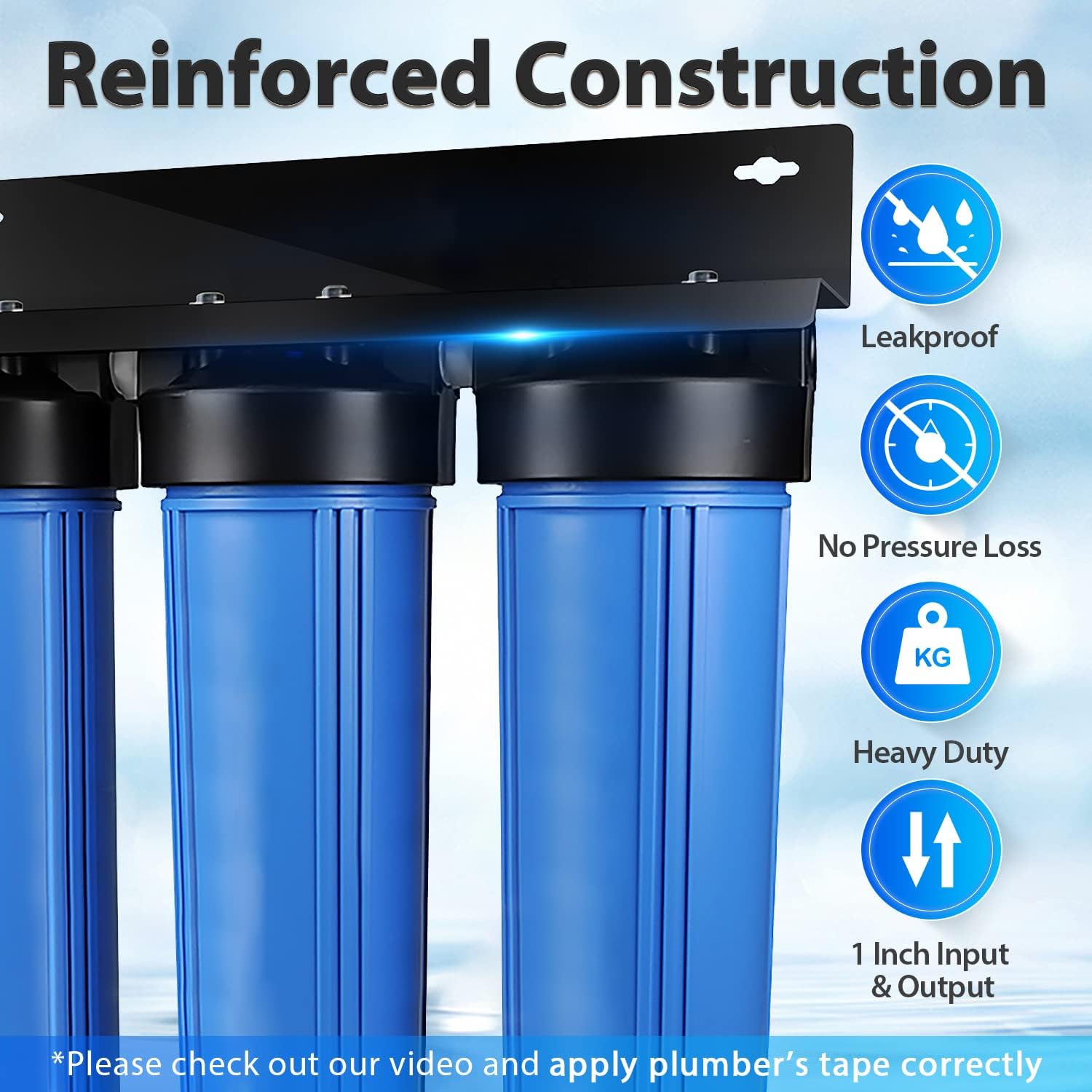
?Are you ready to give your home cleaner, safer water from every tap with minimal fuss?
Buy The ISpring WGB32B-KS On Amazon
Product overview: iSpring WGB32B-KS Whole House Water Filter System
You’re looking at the iSpring WGB32B-KS Whole House Water Filter System, 3-Stage Filtration, Reduces Heavy Metals, Hydrogen Sulfide, Chlorine, Chloramine, Sediments. This system is designed to sit at your main water line and filter water for your entire household so you and your family get cleaner water for drinking, cooking, bathing, and appliances. The three-stage configuration targets sediment, chemicals, heavy metals, and odors while retaining healthy minerals.
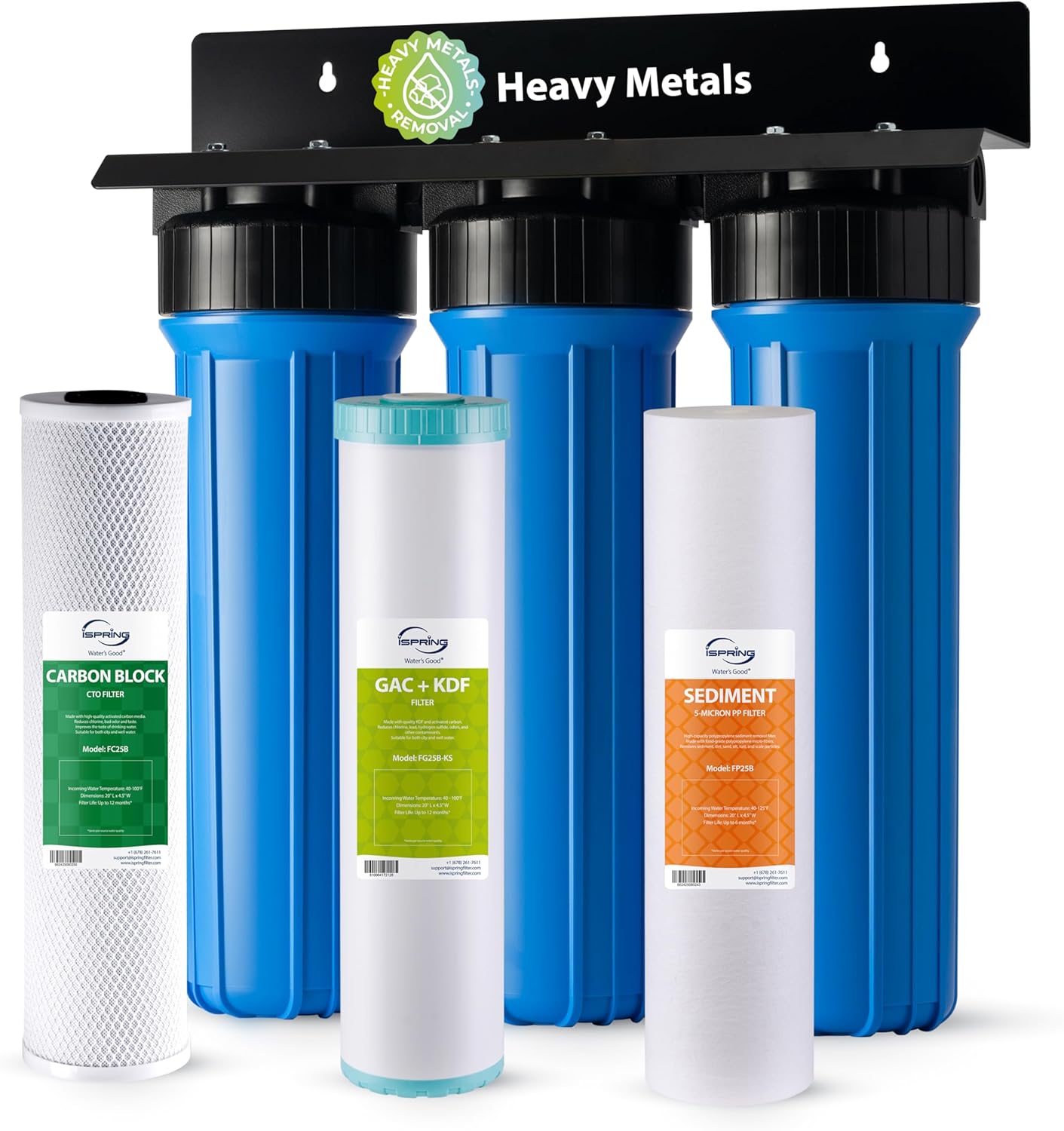
iSpring WGB32B-KS Whole House Water Filter System, 3-Stage Filtration, Reduces Heavy Metals, Hydrogen Sulfide, Chlorine, Chloramine, Sediments
Quick specs and what they mean for you
The key numbers matter if you want to match the system to your home’s plumbing and water use. You’ll want to confirm the physical dimensions, flow rate, and cartridge sizes before you buy to make sure installation and long-term use are smooth.
| Feature | Specification | Why it matters to you |
|---|---|---|
| System model | iSpring WGB32B-KS | Identifies this exact 3-stage whole-house filter system |
| Stages | 3-stage (sediment → FG25B-KS compound → CTO carbon block) | Targets particles, heavy metals/chemicals, and fine chemical removal/odor reduction |
| Cartridge size | 20” x 4.5” | Common whole-house cartridge size; easier to find replacements |
| Inlet/Outlet | 1” NPT | Standard size for many residential mainlines; check your plumbing |
| Max flow rate | Up to 15 GPM | Supports typical family demand; should handle showers, washing machines, and faucets simultaneously |
| Sediment rating | 5 microns (first stage) | Removes visible sand, rust, and large particulates |
| Carbon type | Coconut shell carbon (third stage) | High-quality carbon for chemical and chlorine reduction |
| Capacity | 100,000 gallons per set of cartridges | Roughly one year of service for a family of four under average use |
| Standards | Meets NSF/ANSI standards (filters) | Gives you confidence about material and performance testing |
| TDS reduction | Not designed to reduce TDS | Retains healthy minerals; consider RO if you need TDS reduction |
| Maintenance | DIY-friendly; individually wrapped cartridges | You can replace cartridges yourself using online videos and manual instructions |
| Support | Technical/customer support from Atlanta, GA | Direct access to help after purchase |
What each stage does for your water
You’ll get clearer, better-tasting water because each stage has a specific role. Below you’ll find what to expect from every cartridge and why they’re stacked this way.
First stage — polypropylene sediment filter (5 micron)
This first line of defense traps sand, silt, rust, and other visible particulates down to 5 microns. You’ll notice less grit in your taps and showerheads, and your downstream filters will last longer because they aren’t being clogged by big debris. Installing this stage first helps protect the more expensive chemical filters behind it.
Second stage — FG25B-KS 20” x 4.5” compound filter
This is the heavy-hitter for chemicals and heavy metals. The FG25B-KS is a compound cartridge that reduces chlorine, lead, mercury, hydrogen sulfide (the rotten-egg odor), pesticides, herbicides, odors, and other harmful chemicals. You’ll likely see the biggest change in taste and smell after this stage, and it contributes heavily to protecting your family and household appliances.
Third stage — CTO coconut shell carbon block filter
The final CTO (chlorine, taste, and odor) carbon block is made from high-quality coconut shell carbon. This stage polishes the water by absorbing remaining chemicals and improving taste and odor even further. Carbon block filters are effective at removing organic compounds and chlorine byproducts, leaving your water more pleasant for drinking and cooking.
Filtration performance and contaminants removed
You want to know what this system actually removes and what it won’t. The iSpring WGB32B-KS focuses on common harmful chemical contaminants while preserving beneficial minerals.
- Removes or significantly reduces: chlorine, chloramine (to some extent depending on contact/time), lead, mercury, hydrogen sulfide (odor), pesticides, herbicides, many organic chemicals, and sediments.
- Does not reduce TDS: This system does not remove dissolved mineral content like calcium or magnesium. If you need lower TDS for specific equipment or taste preferences, you’ll want a reverse osmosis system in addition to or instead of this whole-house filter.
- Effectiveness depends on water quality and flow: Your local water chemistry and how much water you use will affect performance. High contaminant loads or very hard water can shorten filter life or reduce efficiency.
Get The ISpring WGB32B-KS Whole House Water Filter On Amazon
Capacity, lifespan, and replacement schedule
You’ll want to plan for replacements so you don’t lose protection or water pressure. iSpring specifies a combined capacity and gives guidance for typical household use.
- Rated capacity: About 100,000 gallons per set of cartridges. That’s estimated to be enough for a family of four for roughly one year under average conditions. Your mileage will vary based on water usage and contaminant levels.
- Typical replacement schedule: Many users change cartridges annually, but if your water has a lot of sediment or contaminants you may need to change them more frequently. Monitor water pressure and taste as indicators.
- Cartridge specifics: 20” x 4.5” cartridges (standard for many whole-house systems), and each cartridge is individually wrapped for freshness—remember to unwrap before installation.
Flow rate and household compatibility
You want a system that won’t throttle water flow. This model supports families but you should match it to your household needs.
- Max flow rate: Up to 15 gallons per minute. That’s usually enough for a typical family to run multiple fixtures concurrently without a noticeable drop in pressure.
- Pipe size: Uses 1” NPT inlet/outlet. If your home uses 3/4” or 1-1/4” mains, you’ll need to plan for adapters or check compatibility before ordering.
- Appliance protection: By removing sediment and chemicals, you’ll reduce wear on water-using appliances like water heaters, dishwashers, and washing machines.
Installation and DIY-friendly maintenance
You’ll appreciate that the system is designed for household installation and upkeep. If you like to handle projects yourself, this reduces installation cost and ongoing service expenses.
- Included resources: iSpring provides an easy-to-follow manual and YouTube videos so you can do the installation yourself if you’re comfortable with plumbing basics.
- What you’ll need: Basic plumbing tools, Teflon tape, pipe fittings (if adapting sizes), and about an hour or two for a straightforward install depending on your setup.
- Cartridges: Because the cartridges are standard 20” sizes and individually wrapped, replacements are easy to store and swap. The simple housing design speeds up filter changes so you can get back to normal quickly.
Tips for a smooth DIY install
If you’ll be doing the work yourself, take these friendly tips to reduce surprises and ensure a solid install.
- Shut off main water and drain the line before you start. It’s basic but essential for a clean job.
- Measure your plumbing and confirm the 1” NPT will work or that you have the adapters needed.
- Put a pressure relief valve or bypass where recommended so you can service the unit without shutting water off to the whole house for long.
- Keep the manual and the iSpring video page bookmarked for reference during the install.
Build quality, materials, and durability
Materials and construction determine both safety and longevity. iSpring uses durable components you can trust for regular household use.
- Sediment filter media: Polypropylene for capturing particulates reliably without shedding fibers into the water.
- Carbon type: Coconut shell carbon in the CTO filter, which is known for good adsorption and stability.
- Cartridge housing: Standard durable housings designed for 20” x 4.5” cartridges and 1” NPT connections.
- Standards: Filters meet NSF/ANSI standards, which is reassuring for material safety and performance claims.

How this system affects taste, smell, and household comfort
You’ll notice immediate and practical differences in everyday life after the system is in place.
- Taste: Reduced chlorine and chemical contaminants often leads to a cleaner, more neutral-tasting water that is better for drinking and cooking.
- Smell: Hydrogen sulfide (rotten-egg) odors and chlorine smells are significantly reduced so showers and laundry smell fresher.
- Skin and hair: Lower chlorine levels can be gentler on sensitive skin and hair, potentially helping dryness or irritation for those affected by chlorinated water.
- Appliances: Reduced sediment and certain chemicals helps extend the life of water heaters, washing machines, dishwashers, and fixtures.
Pros — what you’ll like about the iSpring WGB32B-KS
You’ll find several benefits that make this a practical choice for a lot of households.
- Whole-home protection: Filters every tap and appliance downstream of the main line.
- Good capacity: 100,000 gallons per cartridge set makes annual replacement realistic for many families.
- Solid contaminant coverage: Reduces heavy metals, chlorine, hydrogen sulfide, and many organic chemicals.
- DIY installation: Comprehensive manuals and videos let you install and service the system yourself if you like to do home projects.
- Retains minerals: The system doesn’t strip healthy minerals since it doesn’t lower TDS, which some users prefer.
Cons — limitations you should know
No product is perfect for every need, and you’ll want to be aware of the limitations before you buy.
- Not for TDS reduction: If you need to lower total dissolved solids (TDS) significantly, this is not the solution—consider adding or opting for a reverse osmosis system.
- Replacement cost and frequency: While the annual replacement is reasonable, costs can add up depending on your water quality and usage.
- Space: The housings and 20” cartridges require sufficient installation space near your main line.
- Chloramine removal: Some systems struggle with chloramine in municipal water unless specifically designed for it; this system reduces chlorine well and may reduce chloramine to a degree depending on contact time, but chloramine removal can require specialized media or additional stages.
Who this system is best for
You’ll get the most value from this system if your needs match its strengths. Think about whether this fits your household.
- Best for: Families who want whole-house reduction of chlorine, heavy metals, hydrogen sulfide, and sediment while keeping beneficial minerals.
- Not ideal for: Homes that need dramatic TDS reduction (hardness/mineral removal) or specialized contaminant removal beyond what a compound carbon filter can handle.
- Good fit: You if you’re comfortable with DIY installation or have a plumber available, and if you want to protect appliances as well as improve water taste and odor.

Cost considerations and long-term ownership
You’ll want to evaluate both upfront and ongoing costs so the system fits your budget and expectations.
- Upfront cost: Includes the filtration unit and housings; shop around for bundle deals or local promotions.
- Ongoing cost: Replacement cartridges annually (or more often with poor water quality). Compare the cost of FG25B-KS compound and CTO carbon replacements.
- Value proposition: The system can save money over time by protecting appliances and reducing scale and chemical wear, while improving water quality for daily use.
- Warranty and support: iSpring provides customer service from their Atlanta, GA headquarters and offers technical assistance, which can reduce long-term hassle and unexpected costs.
Troubleshooting common issues
You’ll have common questions and occasional issues—here are practical fixes you can try before calling support.
- Loss of water pressure: Check for a clogged sediment filter or improperly seated cartridges; replace or reseat as needed.
- Bad taste after install: Ensure cartridges were unwrapped and installed correctly, and flush the system for the recommended volume to clear carbon fines.
- Leaks at connections: Tighten fittings and use proper Teflon tape on threaded joints; verify 1” NPT threads are matched correctly.
- Persistent odor: Confirm filter life and ensure the FG25B-KS and CTO cartridges are still effective; hydrogen sulfide at high levels might need targeted treatment.
Installation checklist — step-by-step summary
You’ll find a checklist helpful so you don’t forget anything during install. Use this to plan and prep.
- Measure plumbing and confirm 1” NPT compatibility or adapters.
- Gather tools: wrench set, Teflon tape, pipe cutter (if needed), bucket.
- Shut off main water supply and drain lines.
- Mount housing in an accessible, protected location close to main shutoff.
- Install cartridges (unwrap each one), seat properly, and tighten housings.
- Slowly bring water back on and check for leaks; flush recommended volume to prime filters.
- Record installation date to track replacement schedule.
Comparing to alternatives and when to add RO
You’ll want to balance whole-house filtration with any point-of-use systems for specific needs.
- Whole-house vs. point-of-use: This system protects all taps and appliances, while an RO system at a kitchen sink gives the tightest drinking-water purity. You can combine both: whole-house for general protection and RO for drinking water.
- When to add RO: If you’re concerned about TDS, sodium, nitrates, or need ultra-pure water for lab or medical reasons, add a reverse osmosis system at the point of use.
- Media upgrades: For specialized contaminants (e.g., serious chloramine or PFAS), you may need additional or different media than standard carbon blocks, so check local water tests first.
How to decide based on your water report
You’ll get the best results if you start with a water test. A test lets you tailor your choice and avoid unnecessary expenses.
- Municipal report: If you’re on city water, check the annual consumer confidence report (CCR) for common contaminants like chlorine and lead.
- Well water: If you have a private well, test for bacteria, iron, hardness, hydrogen sulfide, nitrates, and heavy metals. This system helps with many of those, but very specific issues may need extra treatment.
- Match needs: If chlorine, taste, odor, and sediment are the biggest issues, this system is well-suited. For high TDS or specialized contaminants, plan for an RO or additional specialized filters.
Maintenance plan and tips to prolong life
You’ll want a realistic maintenance plan so the system works reliably year after year.
- Inspect housings every 3–6 months for leaks and pressure differentials.
- Replace cartridge set every 6–12 months depending on water quality; in heavy sediment areas, check the sediment filter more often.
- Keep spare cartridges on hand if you’re in a region with variable water quality or plan to be away when replacements are due.
- Record dates and any observed water quality changes to detect trends and optimize replacement intervals.
Customer support and warranty
You’ll feel better knowing help is available. iSpring supports their products with assistance from their headquarters.
- Technical assistance: iSpring offers expert technical assistance and customer support from their Atlanta, GA base, which helps if you run into installation or performance questions.
- After-sale support: Expect guidance for troubleshooting and parts replacement if you need it.
- Warranty and returns: Check the specific warranty terms at purchase; the manufacturer typically provides coverage for defects and support for setup.
Real-world use cases and benefits
You’ll see practical, everyday improvements after installing this system across various scenarios.
- Family households: Cleaner water for drinks, cooking, and bathing; reduced chlorine can help sensitive skin and hair.
- Older homes: Helps protect appliances and plumbing from sediment and some corrosive contaminants.
- Well water households: Useful for reducing sediment, sulfur odors, and some heavy metals found in groundwater.
- Renters who own: If you’re planning a long-term stay, this system can be a good investment for both comfort and appliance protection.
Environmental and health considerations
You’ll want a solution that balances health concerns and environmental impact.
- Reduces chemical exposure: Lower chlorine and harmful chemical levels reduce your family’s exposure to disinfection byproducts and other potentially harmful substances.
- Preserves minerals: Since it doesn’t remove TDS, beneficial minerals remain in your water, which some people prefer for health and taste.
- Plastic waste: Like any cartridge-based system, you’ll generate used filter cartridges that need to be disposed of properly. Check local recycling guidelines or iSpring’s recommendations for handling spent cartridges.
Final verdict — is this the right pick for your home?
You’ll likely find the iSpring WGB32B-KS Whole House Water Filter System is a strong choice if your priority is whole-home reduction of chlorine, heavy metals, hydrogen sulfide, and sediment. It offers solid capacity, DIY-friendly installation, and reputable carbon filtration that improves taste and protects appliances. If you need TDS reduction or treatment for very specific contaminants beyond the scope of a compound carbon system, plan to add a point-of-use RO system or specialized media.
If you want whole-house water that tastes better, smells fresher, and is gentler on plumbing and skin without stripping minerals from your water, this system is worth serious consideration. The annual cartridge capacity, standard-sized cartridges, and customer support from Atlanta make it a practical, user-friendly option for many households.
Frequently asked questions (FAQ)
These are common questions you’ll have and straightforward answers to help you decide.
-
Q: Will this remove hard water minerals?
A: No. This system does not remove total dissolved solids (TDS), so it won’t soften hard water or remove dissolved minerals like calcium and magnesium. -
Q: How often do I need to change the filters?
A: iSpring rates the set at roughly 100,000 gallons (commonly about one year for a family of four). You may need to replace them sooner with higher contaminant levels or heavier usage. -
Q: Can I install this myself?
A: Yes, if you’re comfortable with basic plumbing. iSpring provides manuals and YouTube videos. If unsure, a plumber can complete the job quickly. -
Q: Does it remove chloramine?
A: It reduces chlorine very effectively and may reduce chloramine to a degree, but chloramine is harder to remove and often requires specialized media for full removal. -
Q: Are replacement cartridges easy to buy?
A: Yes, because the cartridges are standard 20” x 4.5” sizes. The FG25B-KS and CTO replacements are available through iSpring and other vendors. -
Q: Will it protect my water heater and appliances?
A: Yes. By reducing sediment and certain chemicals, you’ll reduce buildup and chemical corrosion, helping extend appliance life.
If you have more specific questions about your water condition or a unique plumbing setup, you can share details and I’ll help you evaluate whether this system or an alternate configuration is the best fit.
Purchase ISpring WGB32B-KS – Amazon
Disclosure: As an Amazon Associate, I earn from qualifying purchases.